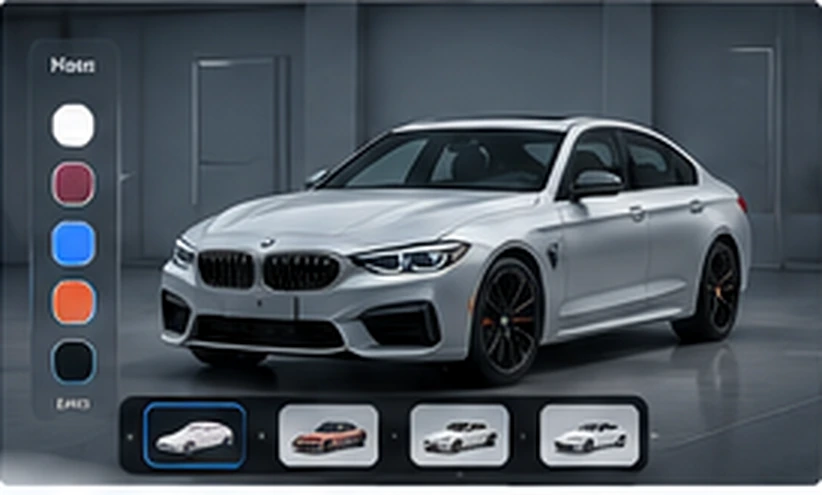
Concept showcase · Automotive
Car configurator
Explore paint colors, wheel sets and interior trim in a showroom-inspired interface.
Explore this solution →Turn static product pages into interactive experiences. We design and build custom web-based 3D product configurators for brands, stores and product teams.

From the first clickable prototype to an integrated shopping experience, every feature is scoped around a real customer decision.
Give users a hands-on way to rotate, inspect and personalize products in the browser.
Color swatches, material choices, components and variant logic tailored to your catalog.
Responsive experiences designed for modern browsers and touch interactions.
Start with a proof of concept and build toward production integration.
Explore five illustrative concept directions. These are generated design studies to communicate capabilities — not completed customer projects.
Explore paint colors, wheel sets and interior trim in a showroom-inspired interface.
Explore this solution →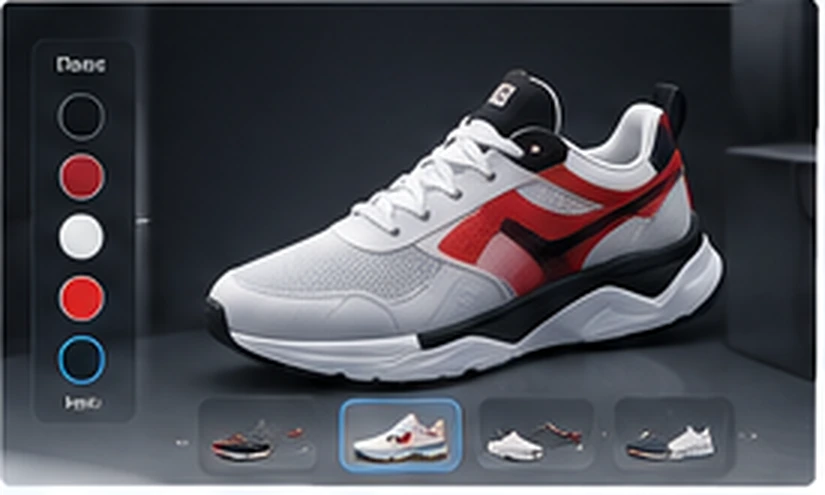
Prototype colorways, material choices, laces and 360° footwear views.
Explore this solution →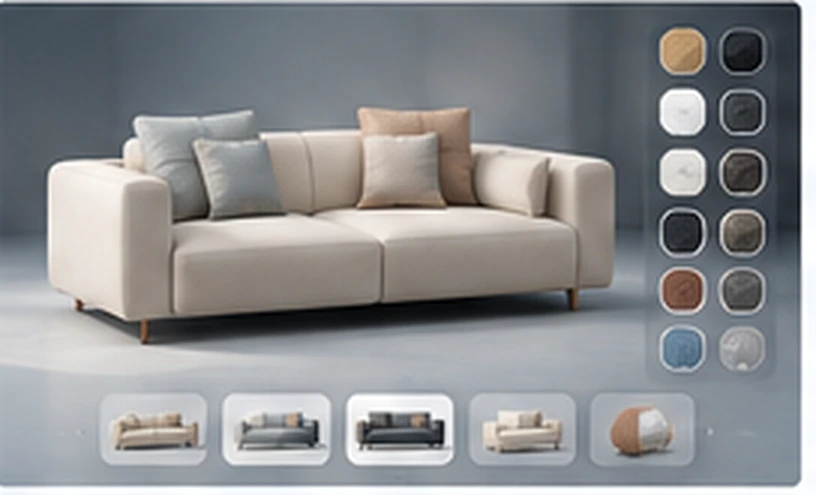
Let customers choose upholstery, frame finishes and modular layouts.
Explore this solution →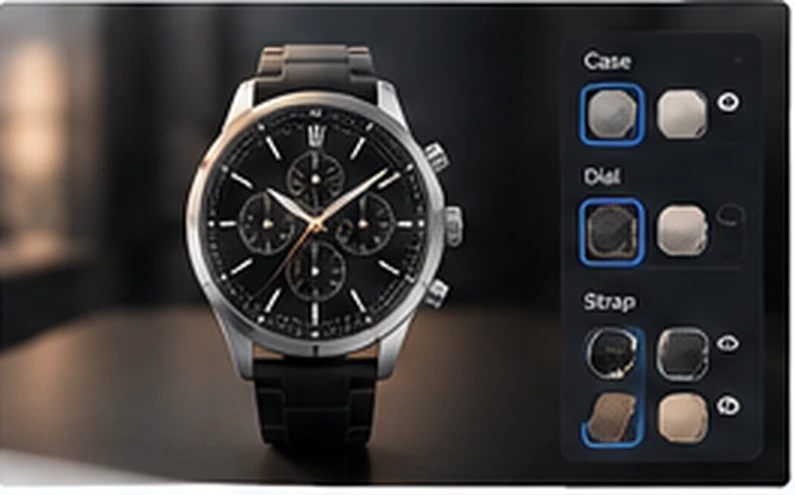
Explore bezels, dials, straps and product details with refined controls.
Explore this solution →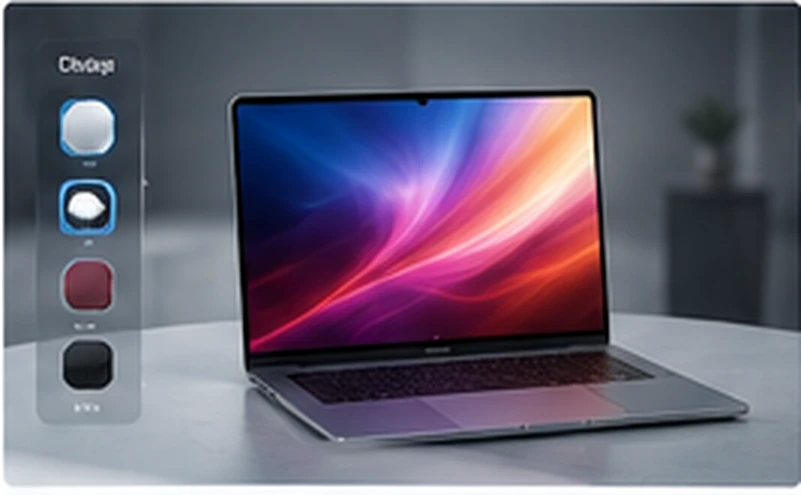
Visualize colors, hardware variants, accessories and product packages.
Explore this solution →All visuals above are AI-generated concept illustrations. The live interactive WebGL demo below is independently implemented on this site.
Try an actual browser-rendered 3D concept. Rotate the headphones and swap finishes in real time. No external viewer plugin required.

See how configurable product details can work in your customer's browser.
This is a simplified, procedural 3D prototype demonstrating real interaction. Production work uses product-specific models, textures and variant rules.
Build a configurator like this ↗Choose a focused prototype or a larger implementation path depending on your catalog, product assets and launch goals.
Interactive product viewers with choices that make sense for your business.
Custom front-end implementation, scene optimization and optional integration pathways.
A practical workflow that separates visual exploration from production-ready requirements.
We define product options, target audience, goals and asset readiness.
We map the user flow, UI controls and desired interactions.
We build and review a functional browser-based concept.
We optimize assets, refine UX and plan any store or API connections.
Answers to common questions about web-based 3D product configuration.
It is an interactive proof of concept that lets users inspect a 3D product and change selected options, such as colors, finishes, materials or components. It is typically built to validate an idea before a full e-commerce integration.
Yes. Projects can use Three.js, WebGL and web UI technologies. The exact stack depends on your product complexity, existing website and integration needs.
Often, yes. We can assess embed options, product variant mappings, add-to-cart handoffs and the platform integration as part of the scope.
No, but 3D asset preparation must be included in the scope if you do not already have a usable GLB/glTF or CAD model. Asset quality, geometry and materials affect visual fidelity and performance.
Yes. A prototype can include color and finish selectors, interchangeable components, price or variant display and other interactions when the underlying 3D assets support them.
Pricing depends on assets, interaction complexity, number of variants, device requirements and integration work. Share a reference and your product details to receive a scoped quote.
Mobile support is part of the design process, with performance budgets and device testing chosen for the target audience. Very large models may need optimization.
Send your product type, available 3D files, the customization options and a link to your existing store or a visual reference. We will use that information to define a prototype scope.
Tell us what you sell, which options customers need to configure, and where the experience should run.